
U.S. Visa Social Media Screening Expanded in 2026: What Pennsylvania, New Jersey, and New York Applicants Need to Know
Update (October 16, 2026): Effective October 1, 2026, the State Department added applicants for I visas (foreign media representatives) and TN and TD visas (USMCA professionals and their dependents) to its online presence review, on top of the March 30, 2026 expansion described below.
Filing a U.S. visa application has always meant turning over a long list of personal details, but in 2026 the federal government is asking for something more. The Department of State and USCIS have expanded social media vetting to cover more visa categories than ever before, and the change reaches well beyond H-1B workers and international students. Fiances, religious workers, K-3 spouses, certain crime and trafficking victims, and many other applicants are now expected to list every social media account they have used in the past five years and to make their profiles public during the review. If you live in Pennsylvania, New Jersey, or New York and you are preparing a visa application this year, here is what the new screening rules mean for your case.
What Changed in March 2026
On March 30, 2026, the Department of State expanded its social media screening program to roughly a dozen additional nonimmigrant visa classifications. Until that date, online presence review was concentrated on F and M student visas, J exchange visitors, and H-1B workers along with their H-4 dependents. The new rules reach a much broader group, including A-3 personal employees, C-3 domestic workers, G-5 domestic workers, H-3 trainees, H-4 dependents of H-3 holders, K-1 fiances of U.S. citizens, K-2 children of fiances, K-3 spouses, Q cultural exchange visitors, R-1 and R-2 religious workers, S informant visas, T visas for trafficking victims, and U visas for crime victims. Separately, USCIS's Policy Manual tells officers deciding discretionary benefits inside the United States, such as adjustment of status, to weigh whether an applicant has endorsed anti-American views or the views of a terrorist organization, including in social media content.
The substantive rule for applicants is straightforward. On Form DS-160, you must disclose every social media handle you have used in the last five years, including inactive accounts. You must also adjust the privacy settings on every profile so that consular officers and USCIS adjudicators can review your activity without sending a friend request. Officers are looking for content that, in their view, suggests inadmissibility, hostility to U.S. institutions, or support for groups the government has designated as terrorist organizations.
How Social Media Vetting Affects Your Case
The expanded review can lengthen processing times, even when your case is otherwise clean. In our experience, applications flagged during initial screening often pause while officers run additional security checks, request supplemental evidence, or refer the file to another agency. That delay can stretch a routine K-1 fiance visa or U-visa adjudication by months. For applicants in the Lehigh Valley and across northeast Pennsylvania, where many families have already waited years for an interview, an unexpected security hold can be discouraging.
Social media review also matters because consular officers have discretion. A post that you considered a joke years ago, a like on an image with a banned flag, or a sharply worded comment about U.S. policy can become the basis for a request for evidence or, in some cases, a finding of inadmissibility. The standard is not whether you intended a post seriously. The standard is how it appears to a reviewing officer who may not share your context, your humor, or your language. Applicants from countries that have been the focus of recent travel and vetting orders should expect a closer look at their accounts, even if they are filing a routine family-based immigration petition.
What Applicants in PA, NJ, and NY Should Do Now
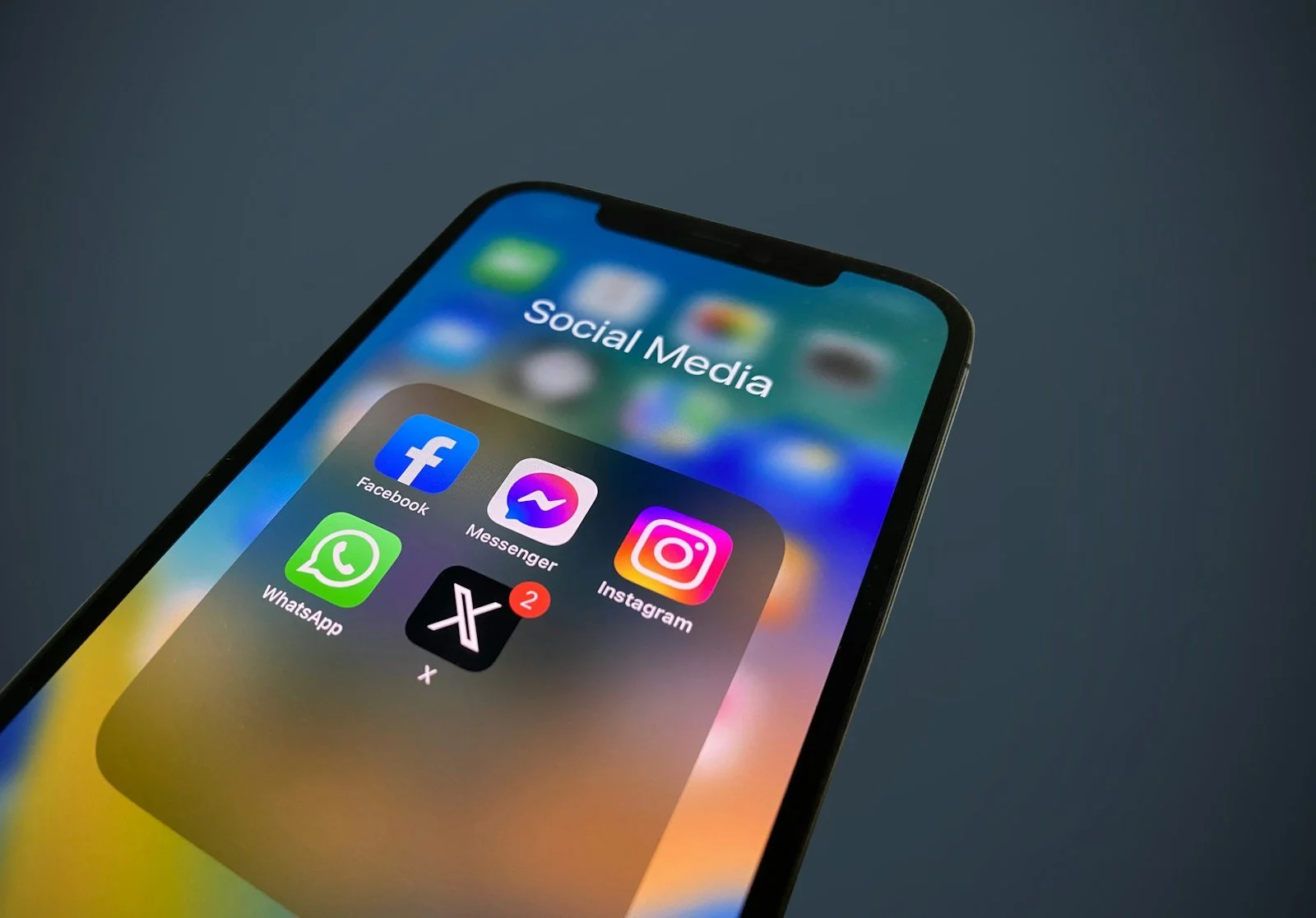
Start by making an honest list of every account you have used in the last five years, including ones you no longer log into. That covers the obvious platforms like Facebook, Instagram, X, TikTok, LinkedIn, Snapchat, YouTube, and WhatsApp, but it also includes Reddit, Discord, Telegram, Quora, gaming platforms, and forums tied to real-world identities. Disclosing an account you forgot about is far better than having an officer find it on their own. Next, review the privacy settings on each profile and set them to public for the duration of your application. Officers generally cannot consider what they cannot see, but unexplained gaps can themselves raise questions.
Take the time to review your historical posts. Delete content that violates a platform's own rules, and consider how a stranger might read older posts that touch on politics, religion, or international conflict. Do not delete content selectively in a way that looks like you are hiding something, and never lie on Form DS-160 about which accounts you control. Misrepresentation on a visa application carries far heavier consequences than an unflattering post. If you are unsure how a particular account or post will be viewed, that is a conversation worth having with a lawyer before you submit your forms.
How an Attorney Can Help
A careful pre-filing review is one of the most useful things our team does for clients in family-based immigration, employment-based immigration, and humanitarian categories like U and T visas. We can walk through your social media history with you, flag content that may invite extra scrutiny, and help you decide what to disclose, what to disable, and how to explain anything that needs explaining. We can also prepare you for the kinds of questions consular officers and USCIS adjudicators are now asking about online activity, public statements, and group affiliations.
If you are filing a K-1 fiance visa, an R religious worker petition, a U-visa, or any other application affected by the new rules, our team at Lehigh Valley Immigration Law is here to help. We serve clients throughout Allentown, Bethlehem, Easton, and across Pennsylvania, New Jersey, and New York. Schedule a free consultation at /contact to talk through your options.
This article is for informational purposes only and does not constitute legal advice. Reading this post does not create an attorney-client relationship.